
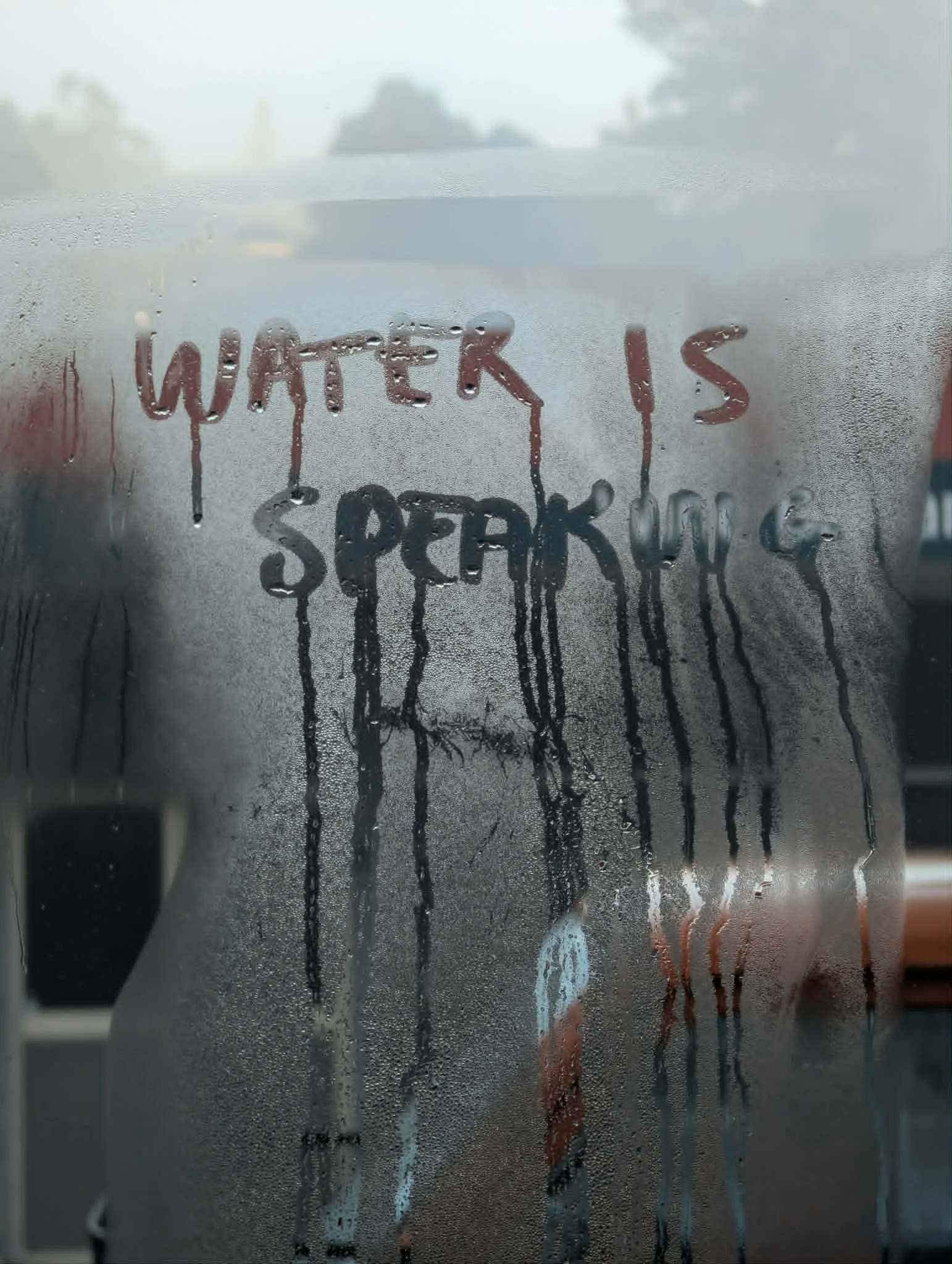
water
is
speaking
During her residency at Q Bank Gallery in Queenstown, Lutruwita/Tasmania, MacLeod developed a new body of site-responsive work examining the environmental legacy of copper mining. Responding to the Queen River, often described as a “dead river”, she produced copper oxide inks from collected water samples and created drawings alongside a felt-based sculptural installation made from wool soaked in the river. While initially centred on the visible scars of extraction, the project gradually shifted towards an exploration of what persists after disturbance: resilience, adaptation, and the quiet agencies of more-than-human life. Through walking, collecting, and sustained observation, MacLeod became increasingly attentive to the tensions between desolation and renewal that characterise Queenstown’s landscape. The resulting works trace a material dialogue between body, river, industry, and place, reflecting an ongoing inquiry into ecological grief, ecological intimacy, and the layered histories held within regional environments.


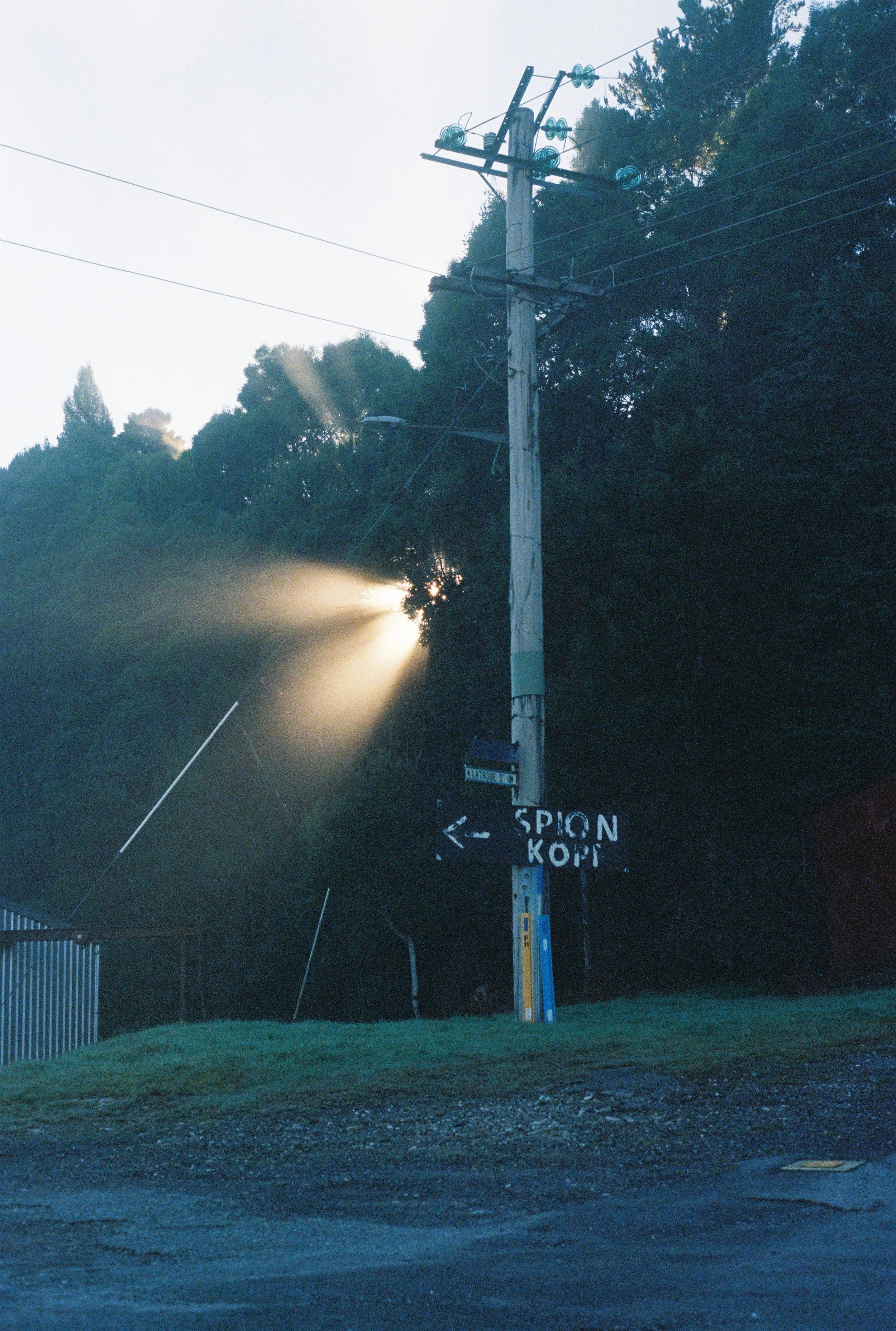


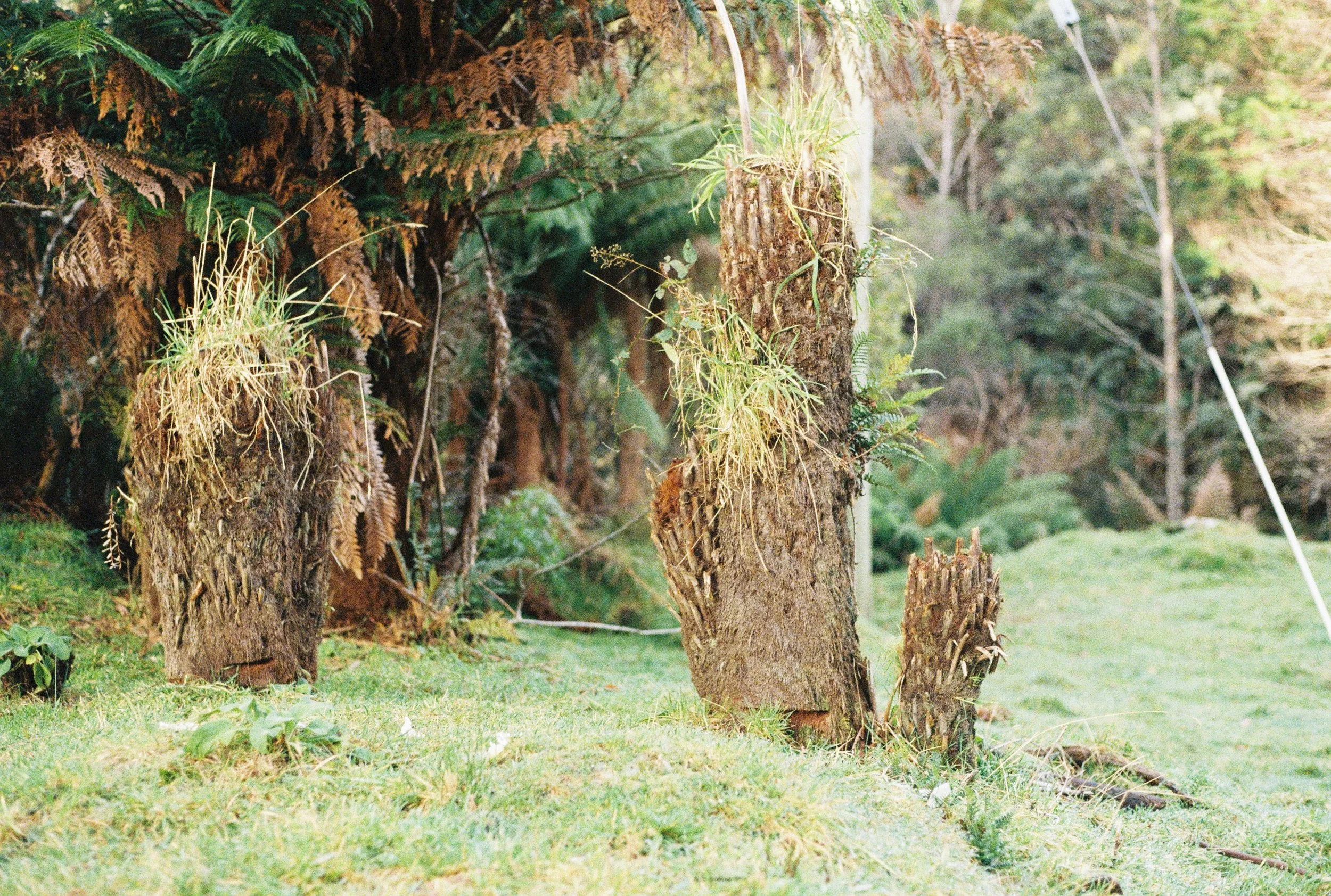
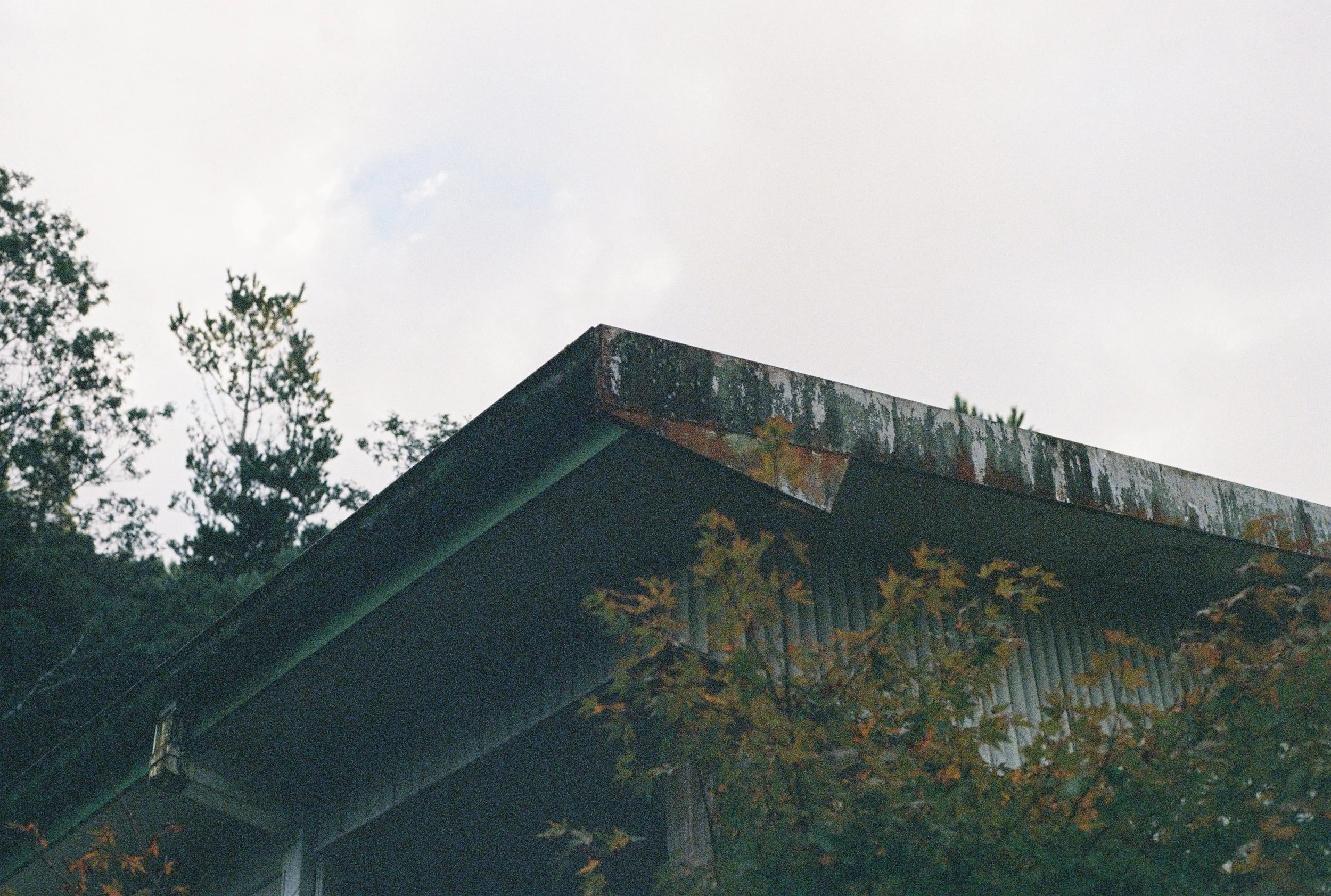
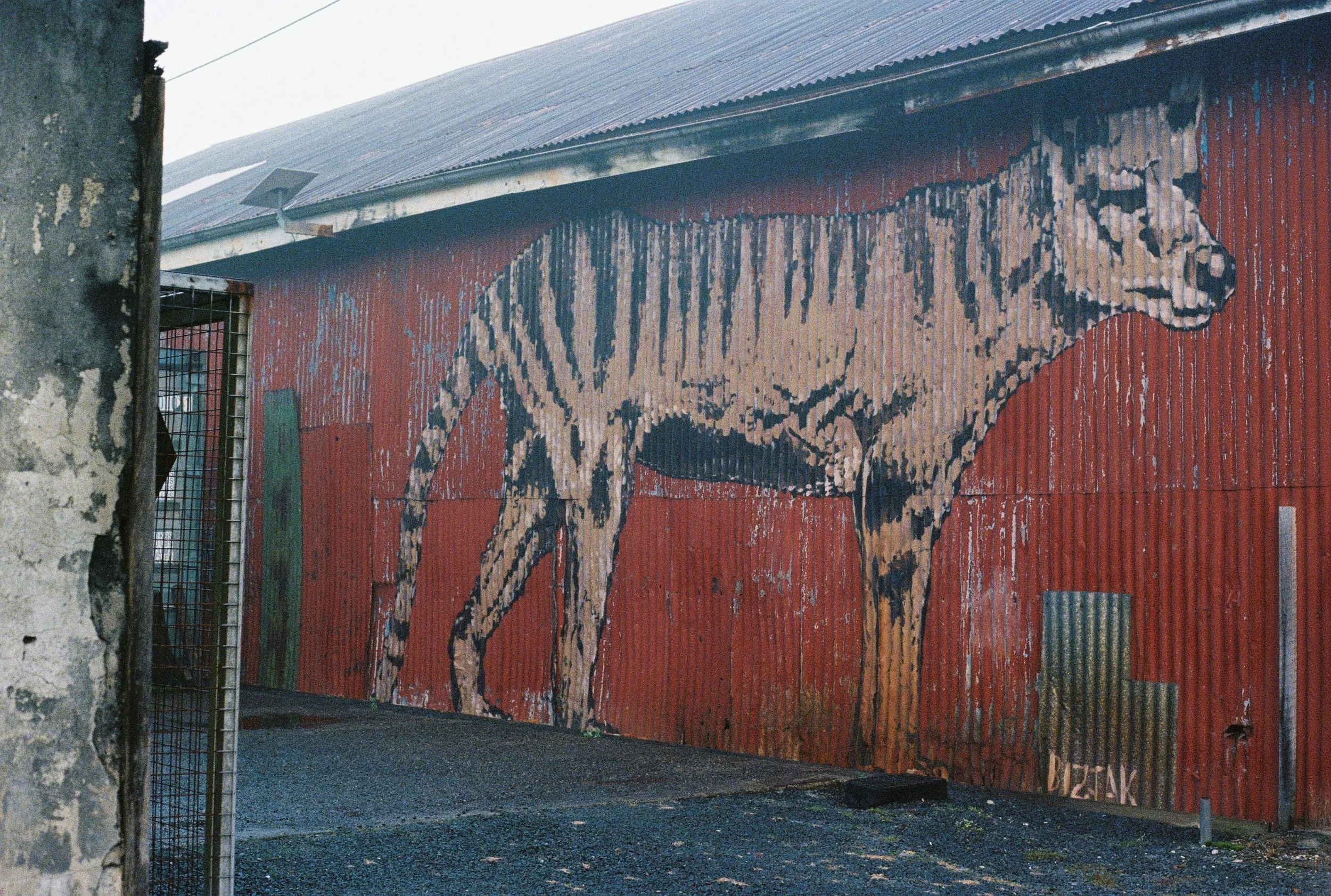
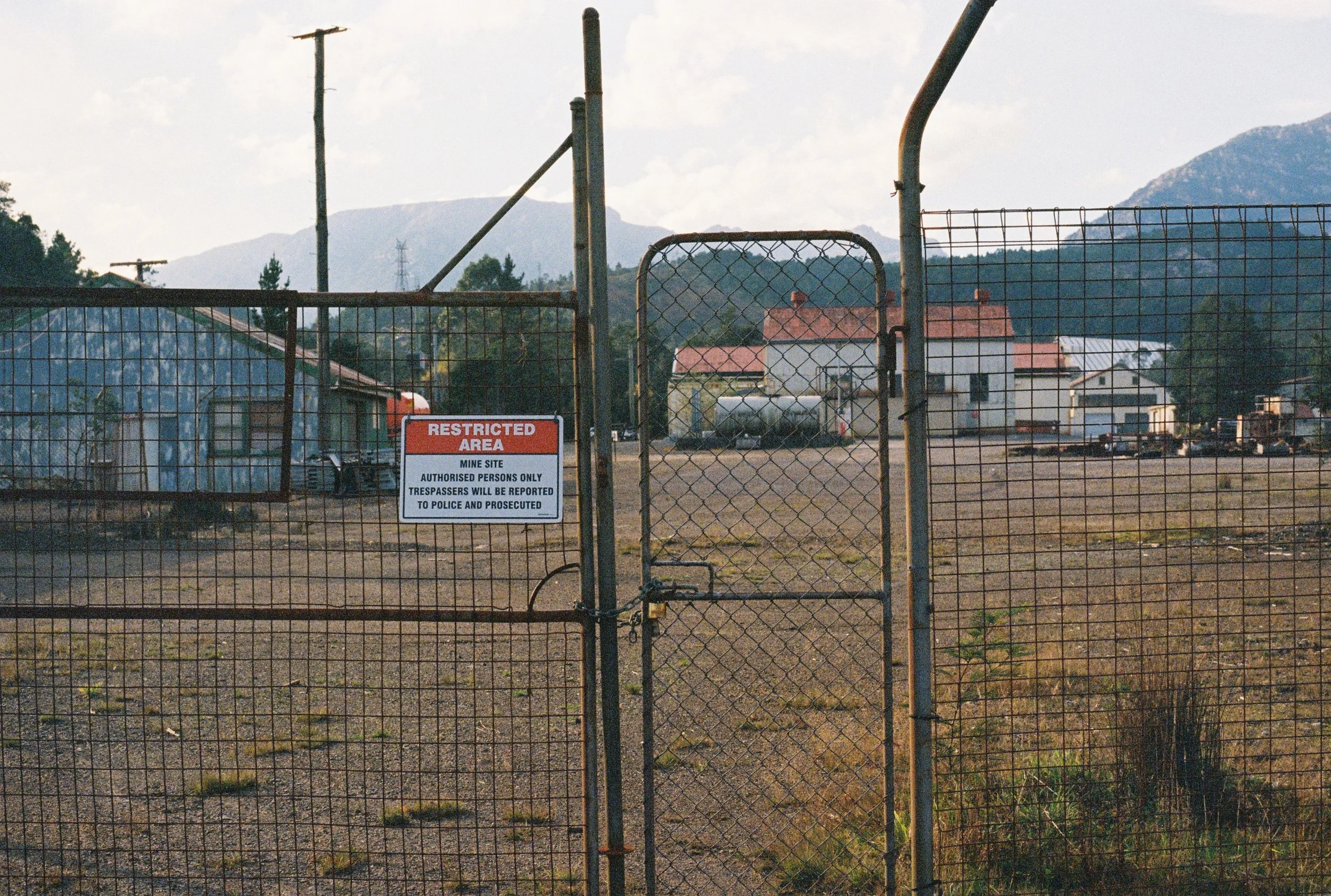
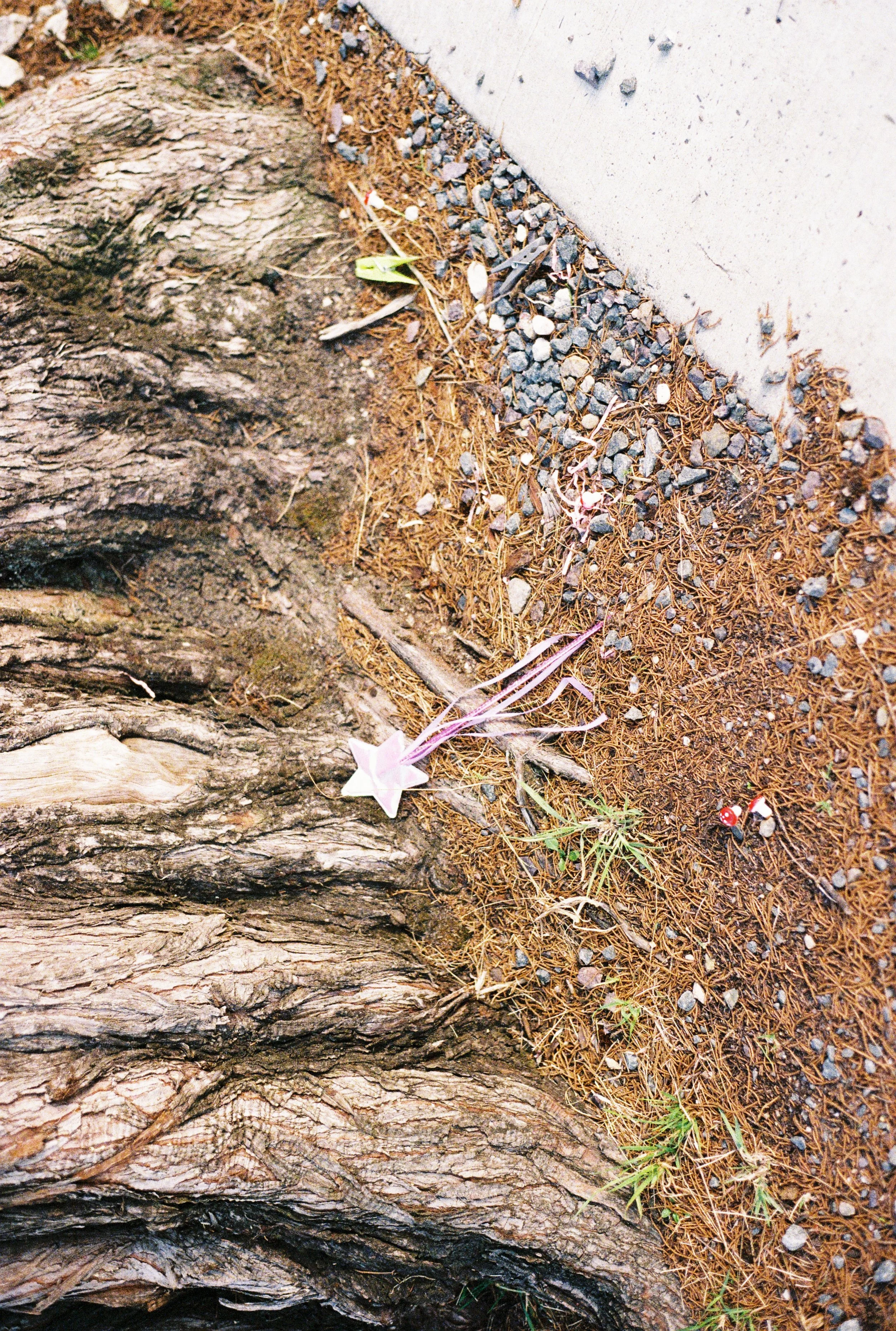
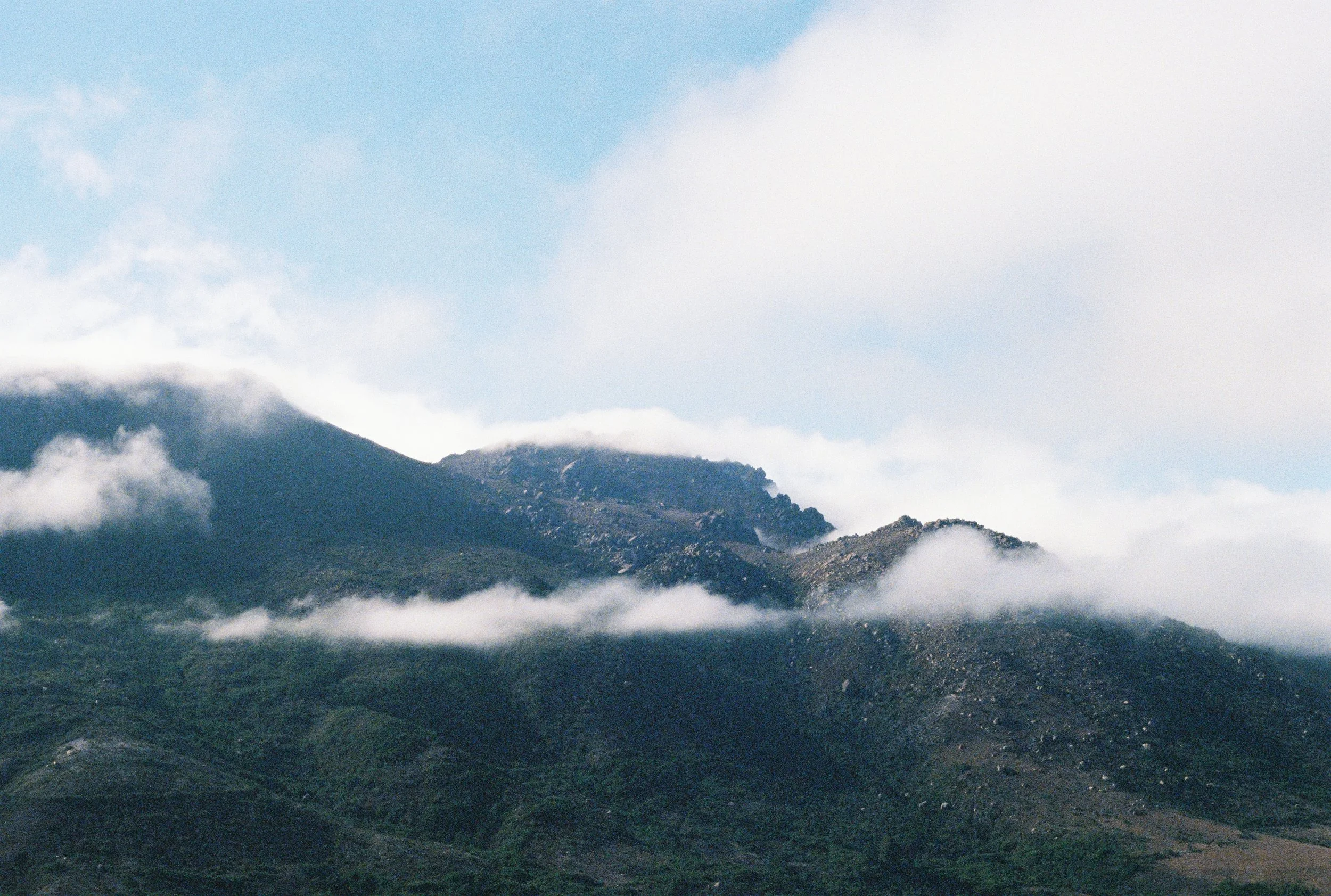

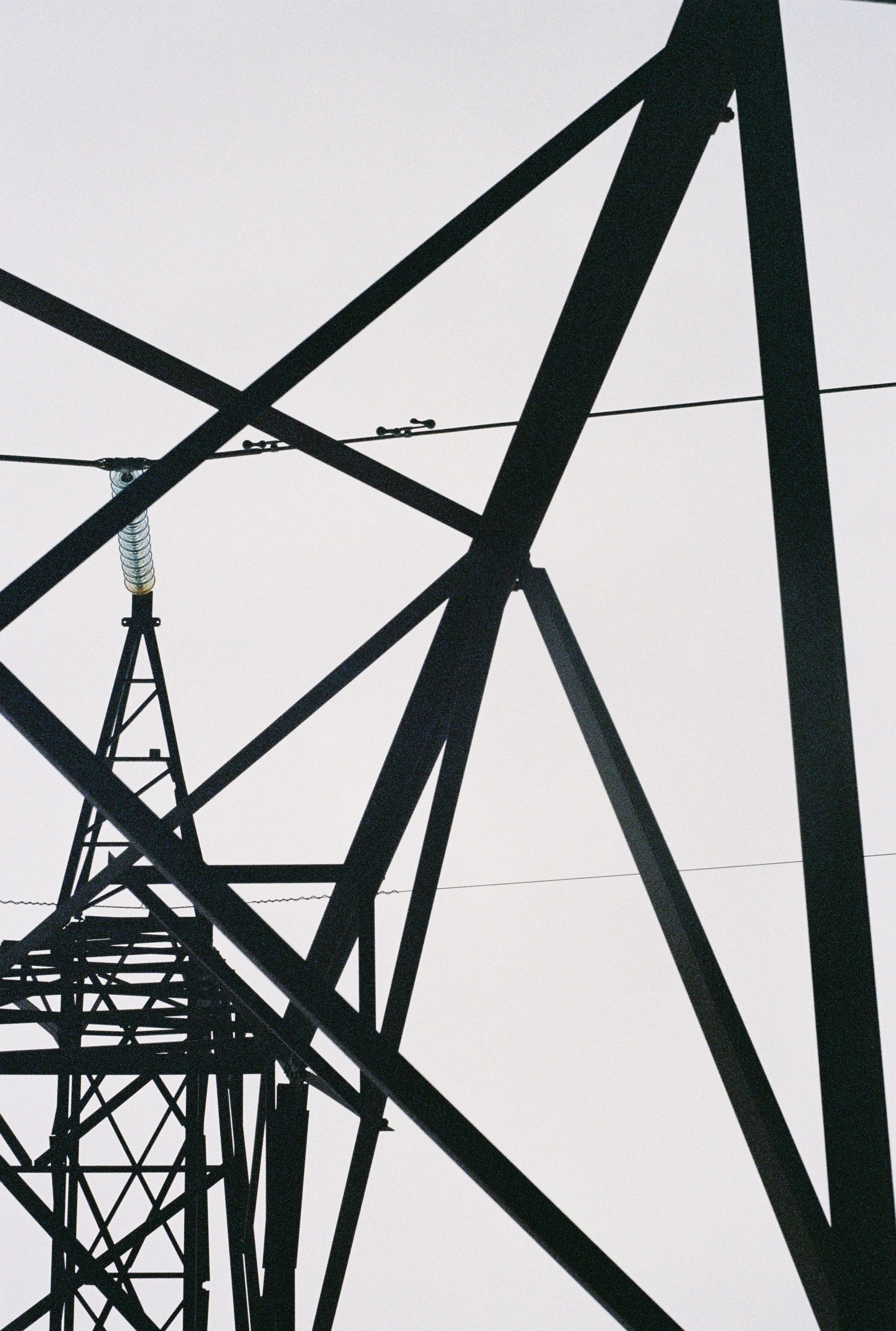
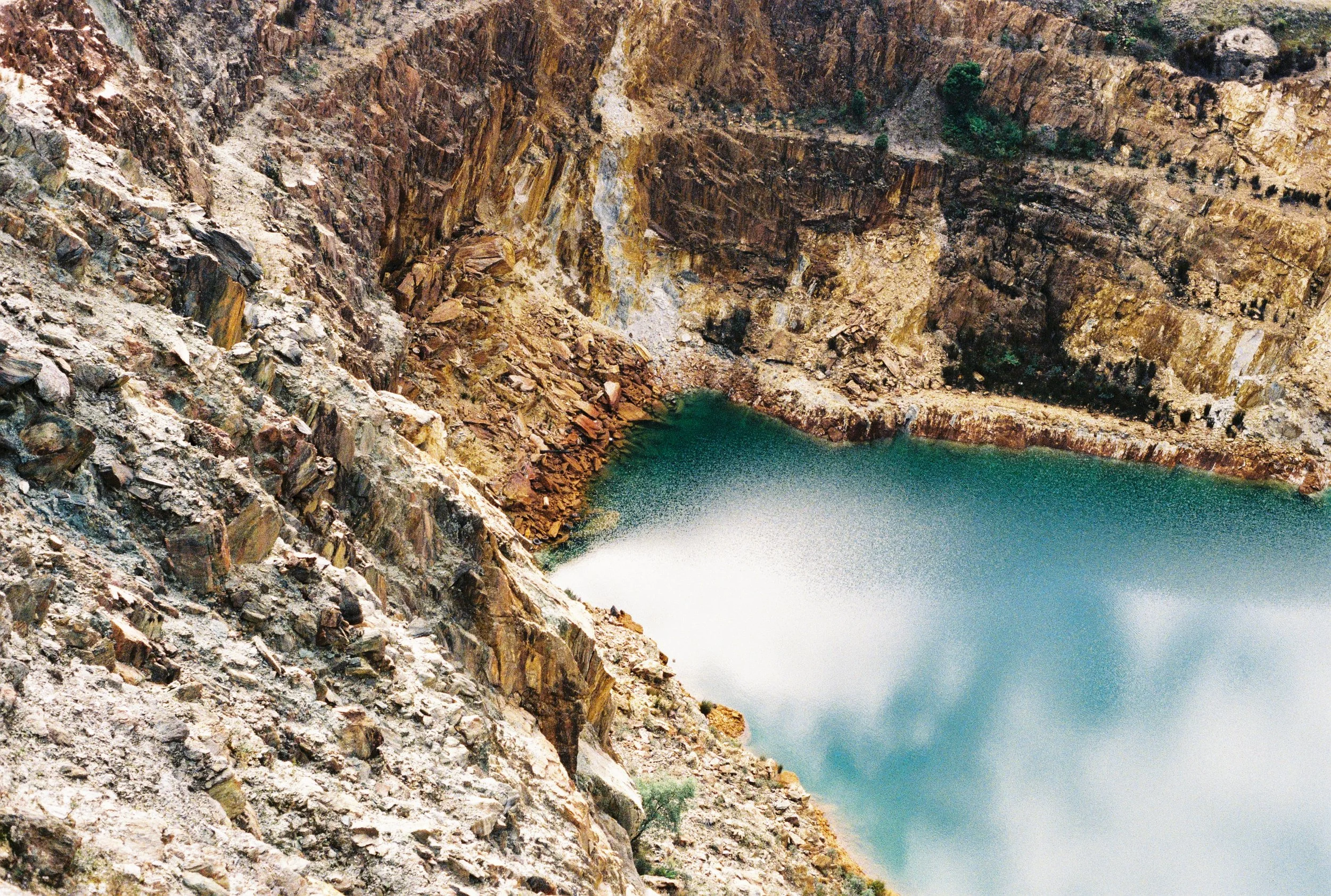
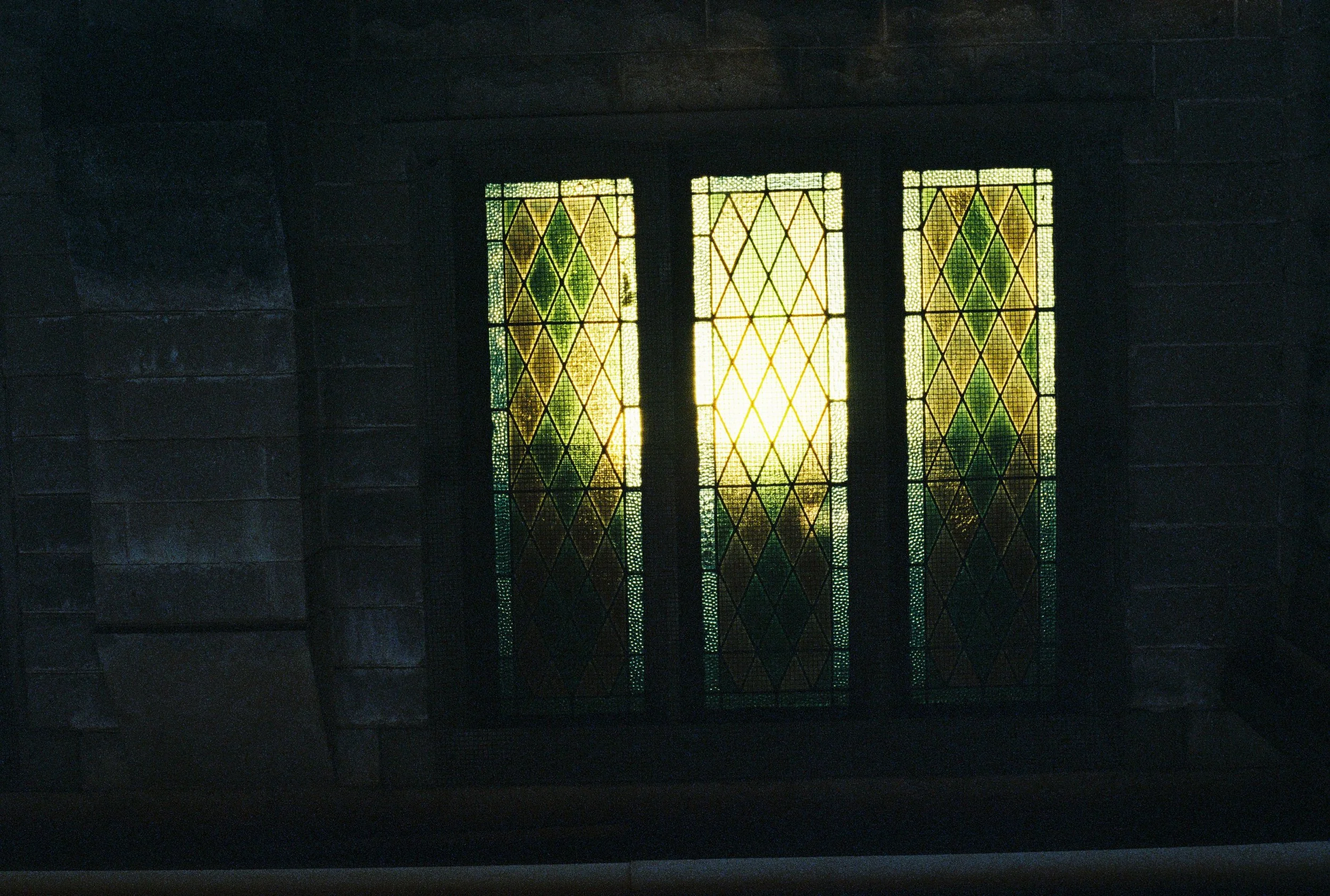
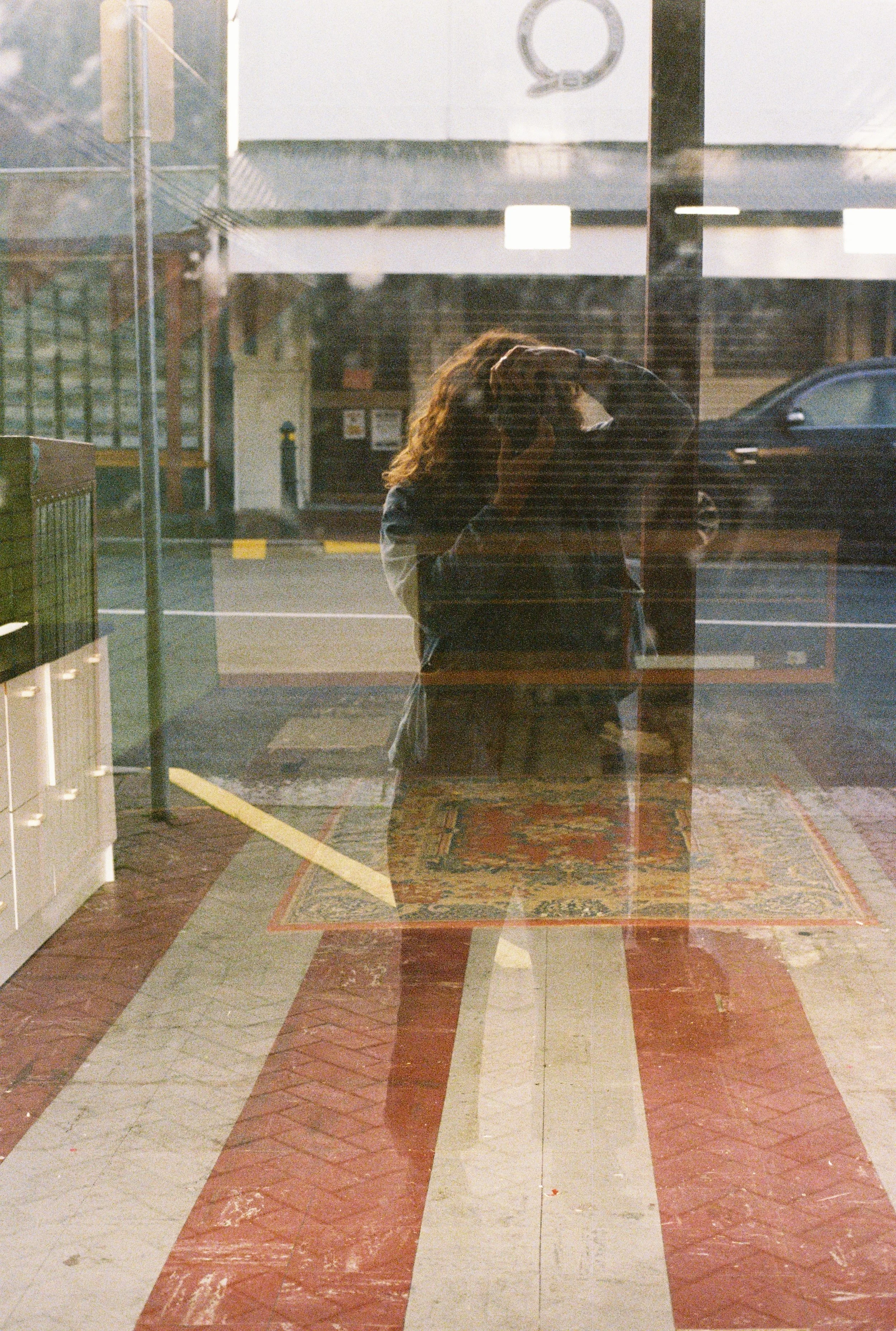
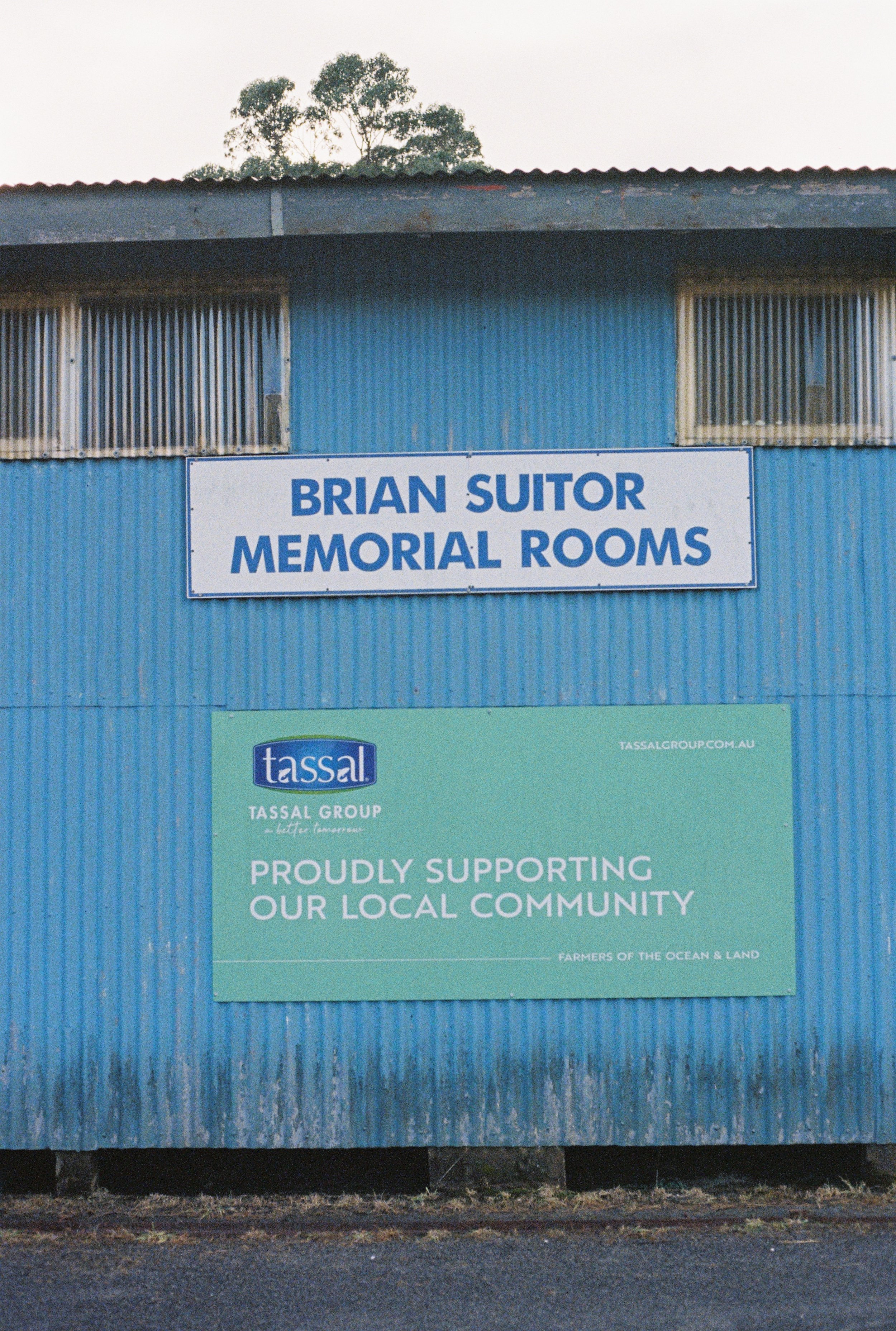
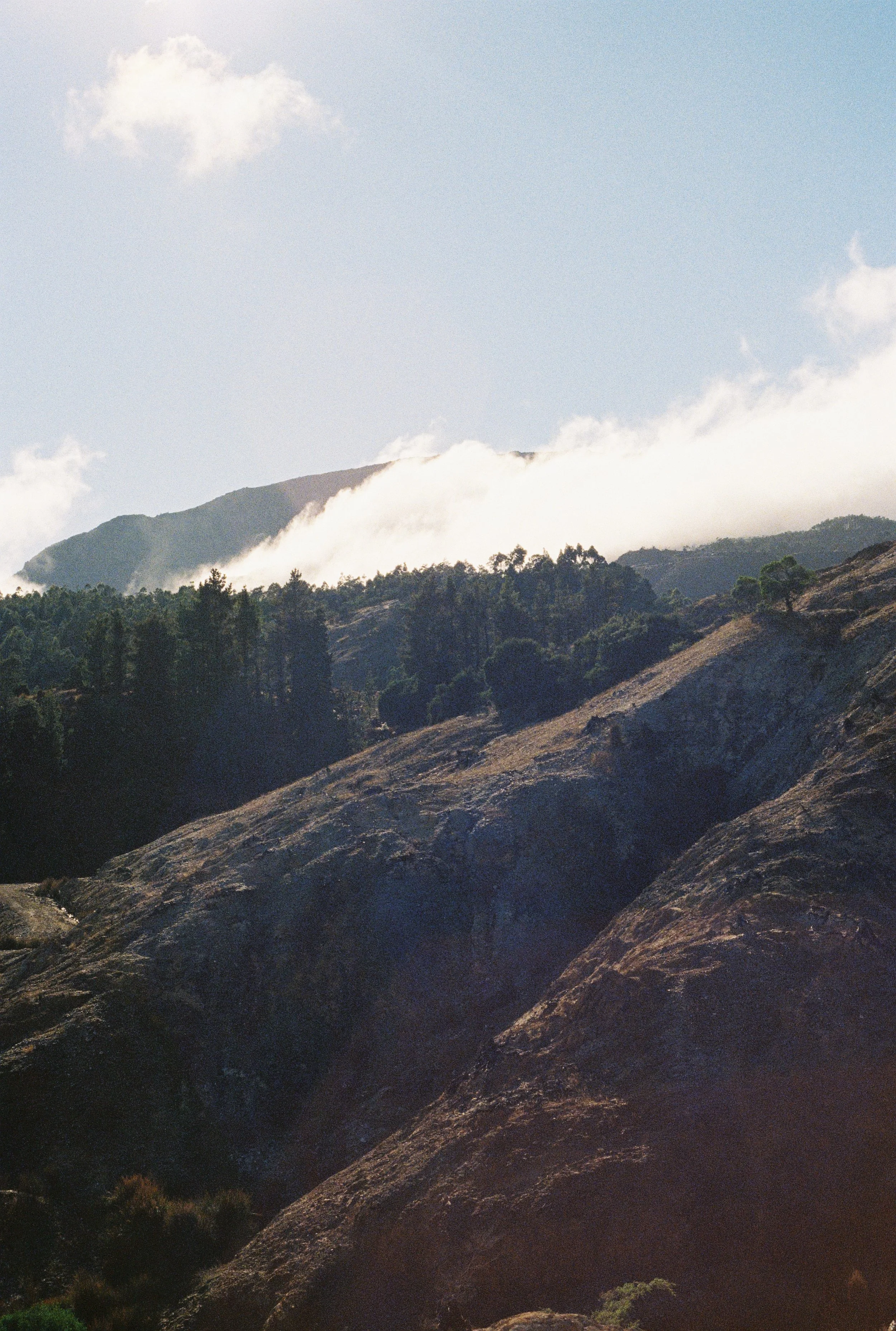
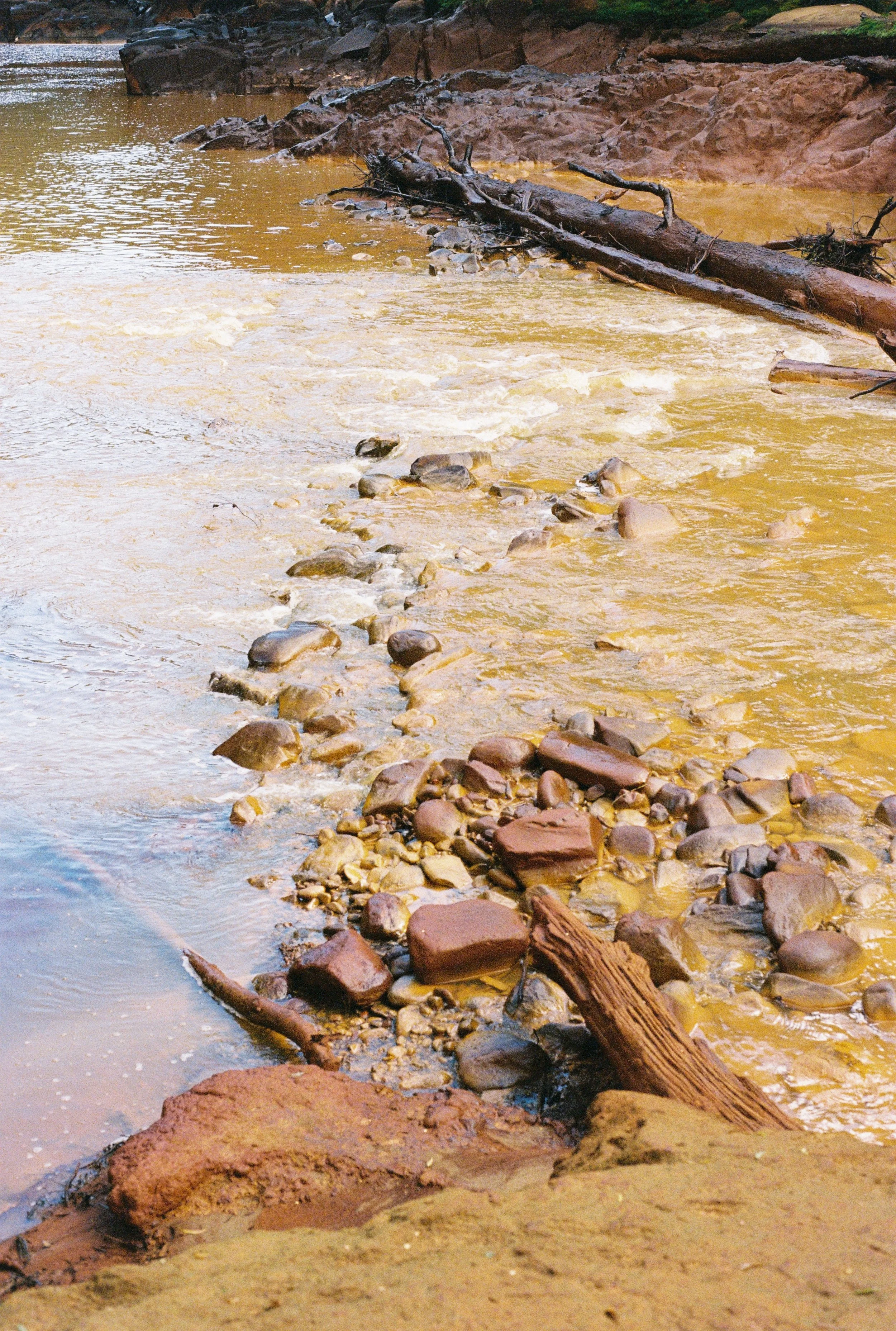
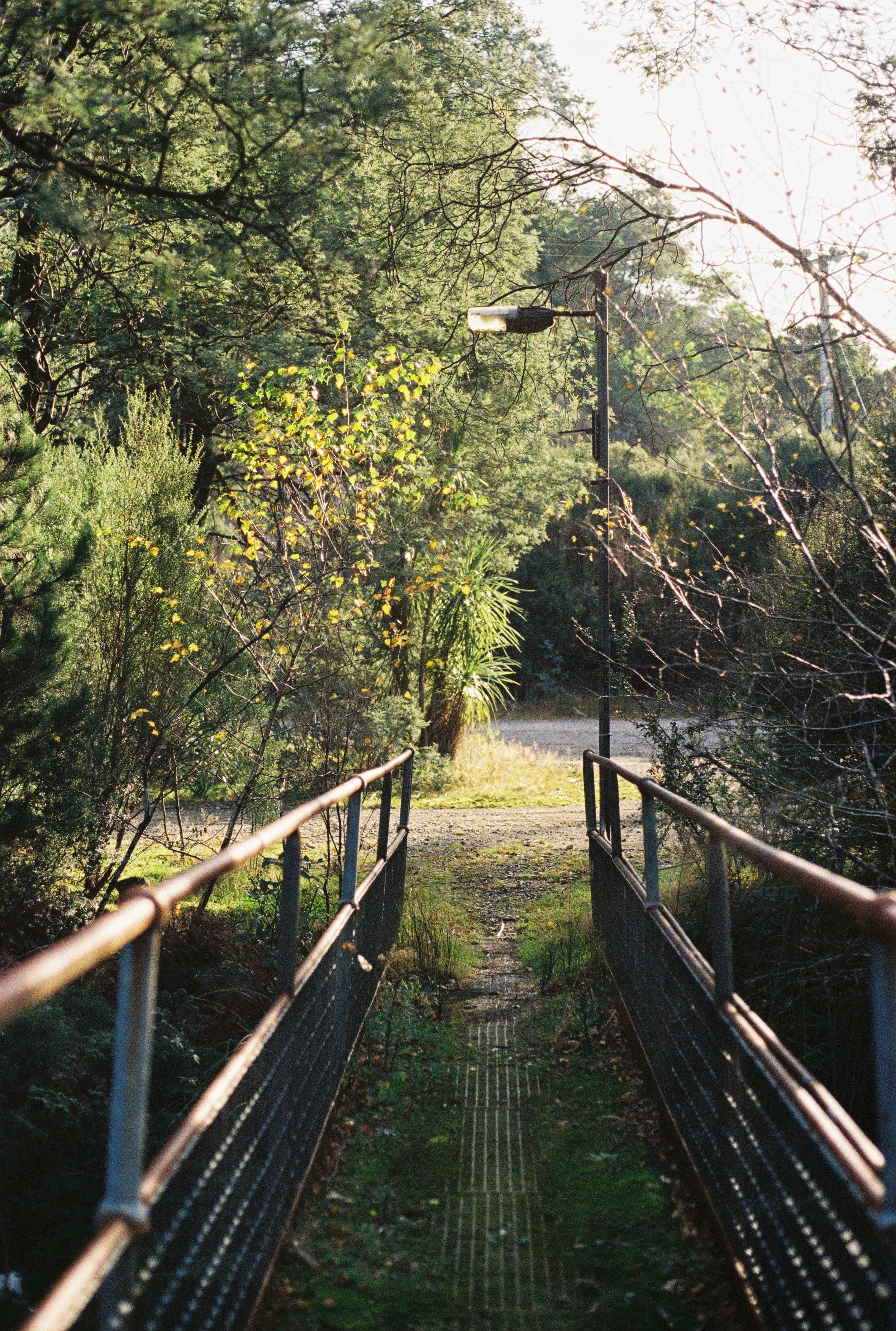
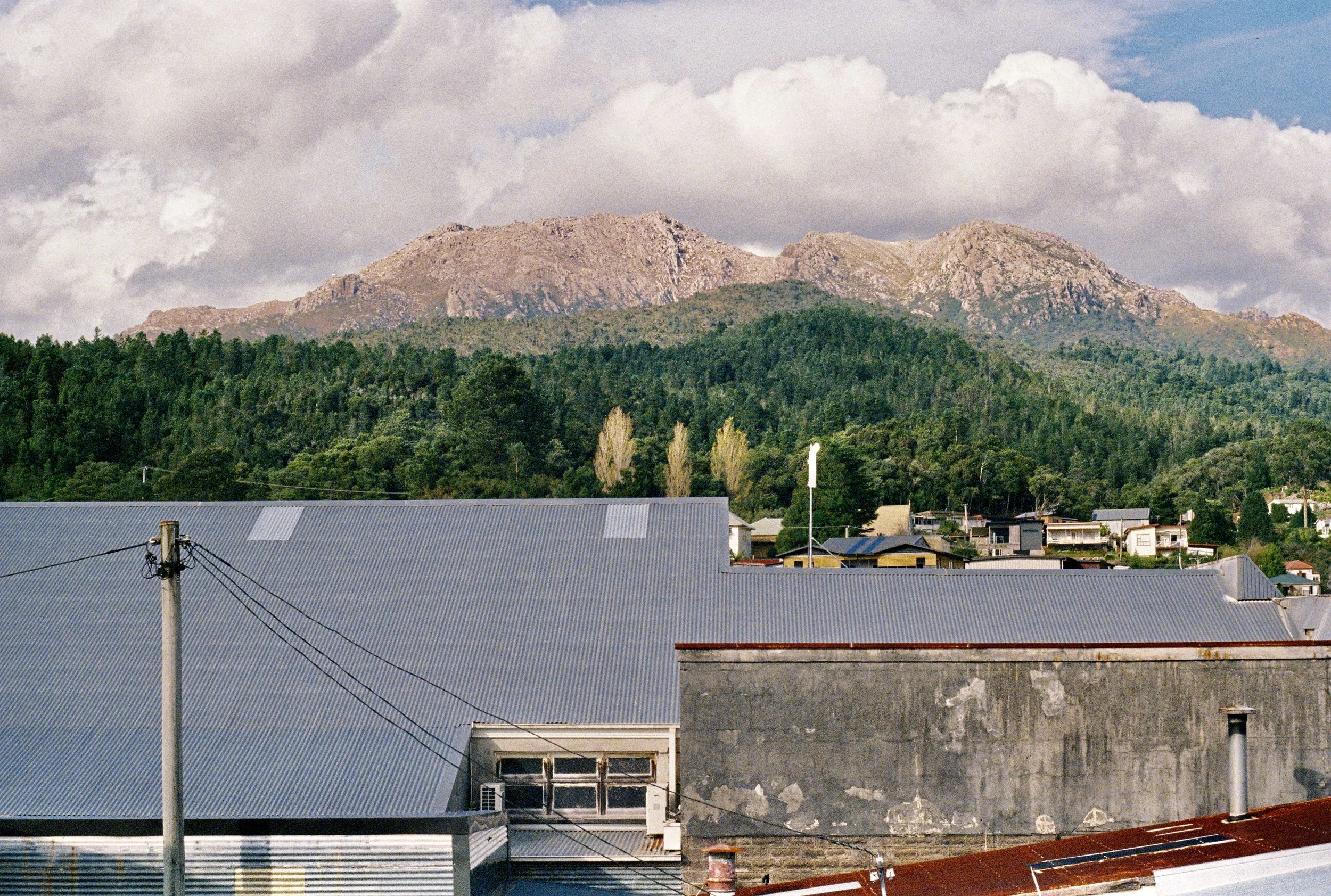
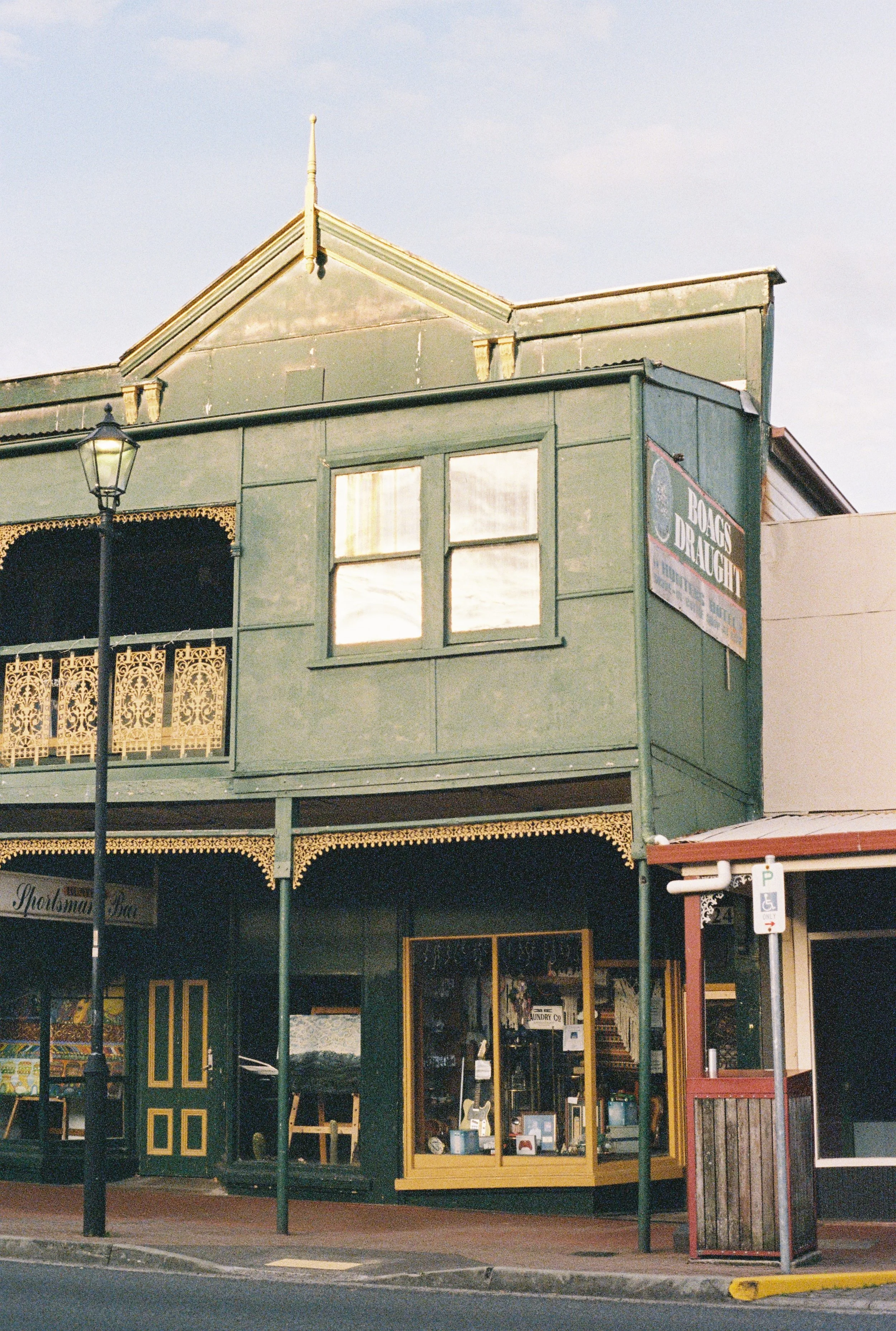
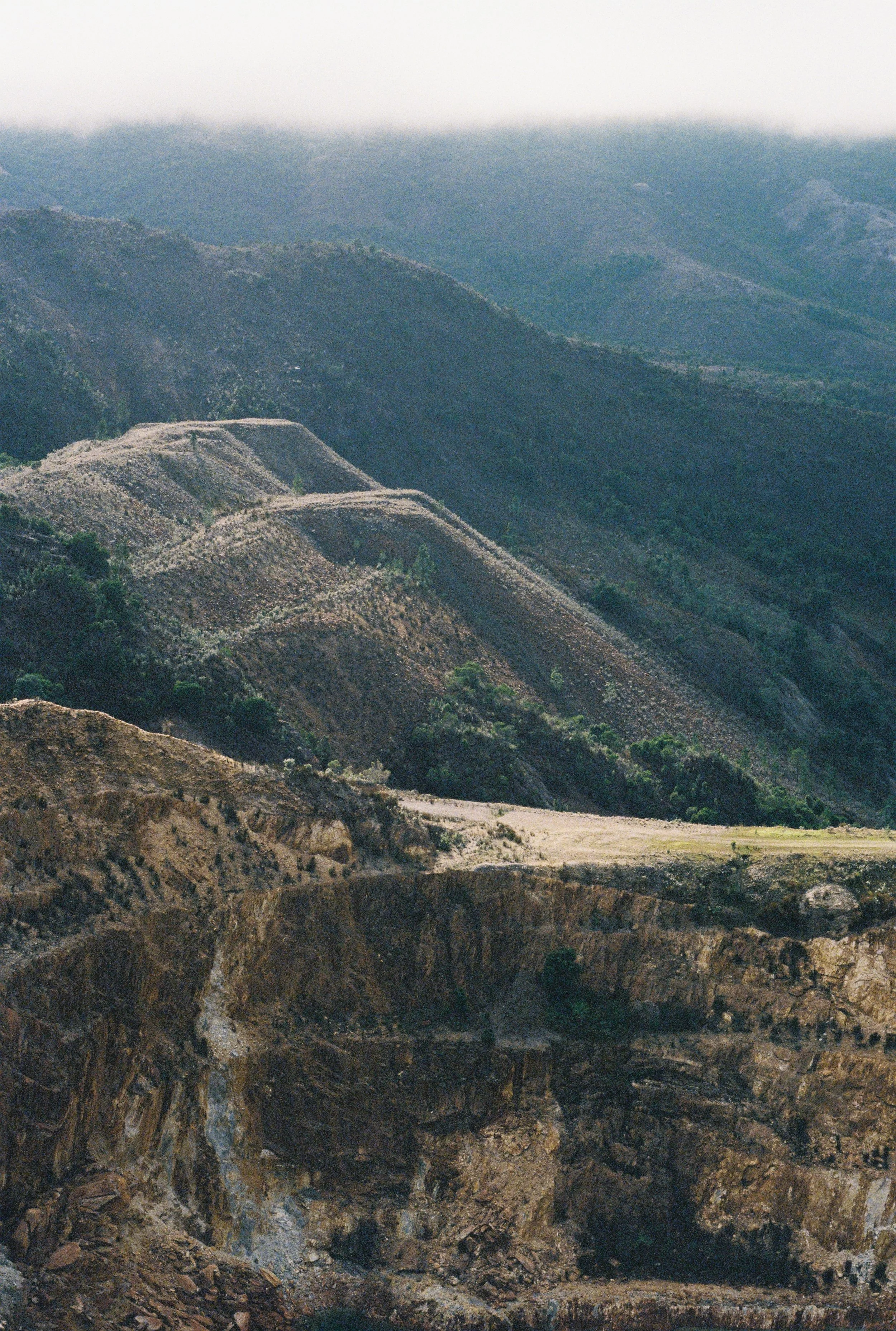
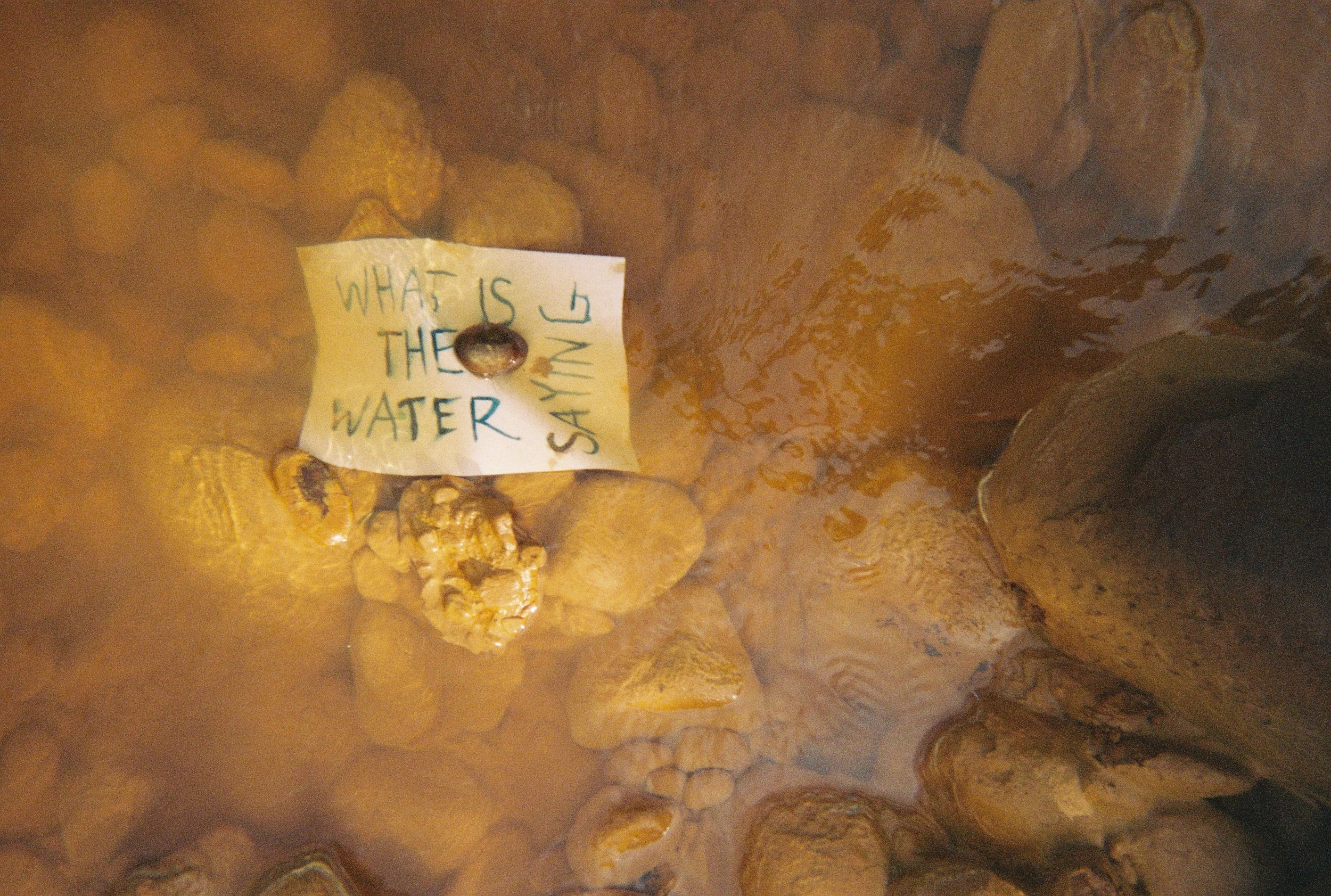
Queen River Drawings (Film Poem), Queenstown, May 2026.During her residency at Q Bank Gallery in Queenstown, Lutruwita/Tasmania, in May 2026, Katie Harris-MacLeod began developing work in response to the Queen River through a process of walking, collecting, drawing and material experimentation.
Each day, MacLeod walked to and along the river, collecting pigment from the toxic sediment held within its waters and bringing these materials back into the studio. The collected pigment became a way of directly marking the landscape onto works made during the residency, creating orange-stained surfaces and unexpected material encounters.
The process became an investigation into how the river’s pigment interacted with different materials and substances, including cyanotype and a series of inks made from water samples collected along the Queen River. These experiments produced unpredictable and often surprising collaborations between materials, allowing the work to evolve through the particular conditions of the place.
Alongside the drawing and ink works, MacLeod worked with Tasmanian sheep wool, felting a series of different forms and prototypes to be soaked and dyed in the river. These became the beginnings of a large-scale soft sculptural installation, carrying the material traces of the river into the gallery.
Rather than following a predetermined outcome, the residency became an unfolding process of listening, testing and responding to place—allowing the materials themselves, and the landscape from which they came, to shape the direction of the work.